
Wisdom Tooth Extraction
Wisdom teeth are famous for causing problems — but not everyone needs them removed, and not every case is an emergency. Here's a clear look at what extraction involves and how to know if it applies to you.
What is Wisdom Tooth Extraction?
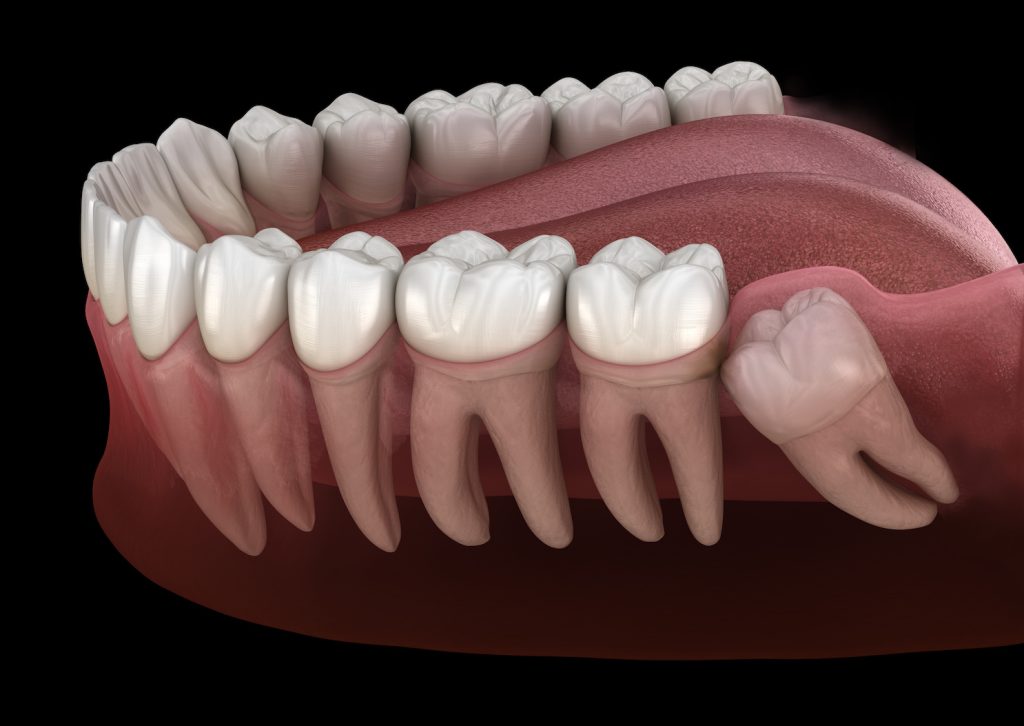
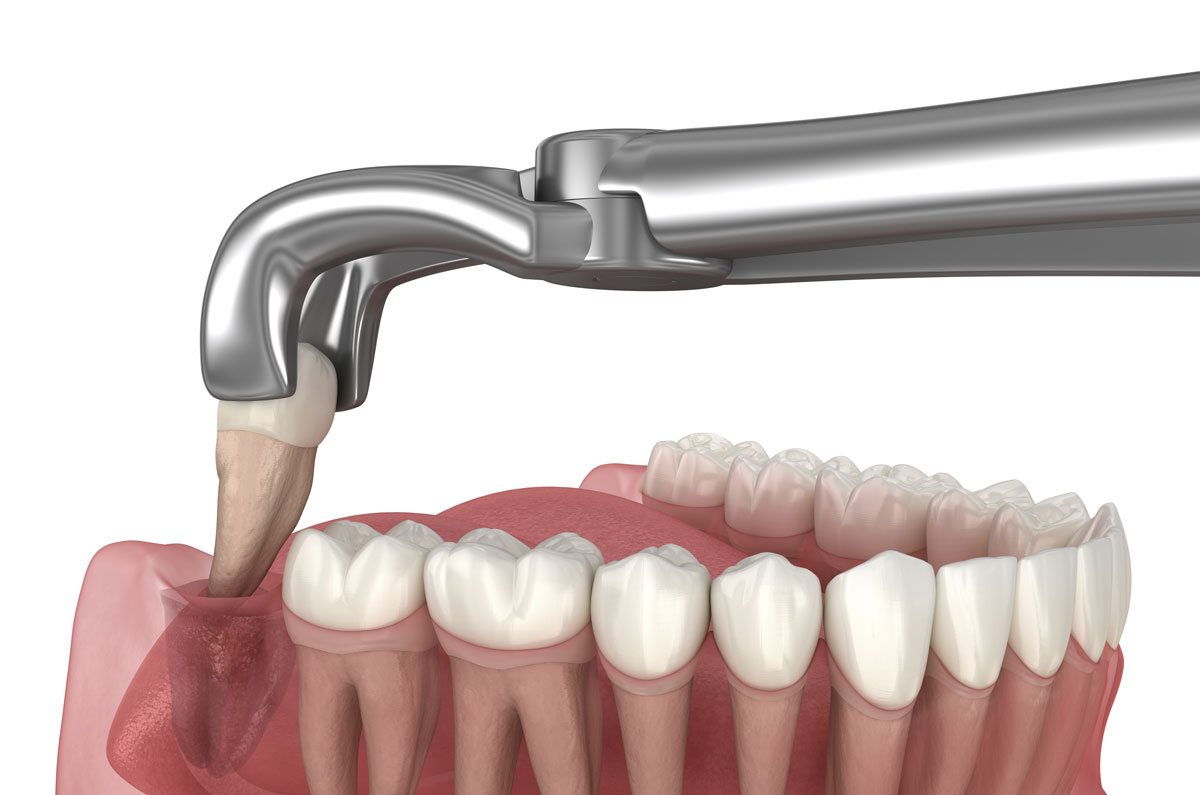
Wisdom teeth, or third molars, are the last set of teeth to emerge, usually between the ages of 17 and 25. Extraction is the surgical or simple removal of these teeth when they cause — or are likely to cause — problems. Depending on how the tooth is positioned, the procedure can range from a straightforward removal similar to any other tooth, to a more involved surgical extraction if the tooth is impacted (stuck below the gum or bone).
Why Do Wisdom Teeth Need to Be Removed?
Many jaws simply don't have enough room for a third set of molars, which leads to complications such as:
- Impaction — the tooth is trapped against another tooth or bone and can't fully emerge
- Crowding — pushing against neighboring teeth, potentially undoing previous orthodontic work
- Infection or gum disease — partially erupted teeth create pockets where bacteria and food debris collect
- Cysts or damage to nearby teeth and bone in more severe impaction cases
- Pain and swelling in the back of the jaw
Not all wisdom teeth cause problems — some emerge fully, align properly, and function normally, in which case removal isn't necessary.
When Should You Consider Extraction?
You should get an evaluation if you notice:
- Persistent pain or swelling at the back of the jaw
- Difficulty opening your mouth fully
- Recurrent gum infections near the back molars
- Crowding or shifting of nearby teeth
- Your dentist identifies an impacted or angled wisdom tooth on an X-ray, even before symptoms appear
Many dentists recommend evaluating wisdom teeth in the late teens or early twenties, since roots are less developed and removal tends to be easier with quicker recovery.
What Happens During the Procedure
Depending on complexity, extraction is done under local anesthesia (and sometimes sedation for more involved cases). Simple extractions take just minutes; impacted teeth may require a small incision and stitches. Most patients go home the same day.
Aftercare Tips
- Rest for the first 24 hours and avoid strenuous activity
- Stick to soft, cool foods initially and avoid using a straw (to prevent dislodging the blood clot)
- Gently rinse with warm salt water after the first day to keep the area clean
- Take prescribed pain relief or antibiotics as directed
- Watch for signs of infection — excessive swelling, fever, or worsening pain — and contact your dentist if they occur
Visit Dr. Kashi's Ashwathi Dental Clinic
If you're experiencing jaw pain or your dentist has flagged your wisdom teeth for review, our team can assess the position and condition of your teeth and guide you through the safest option. Book a consultation today.