
Gum Disease Treatment in Trivandrum | Periodontal Care & Treatment
Gum disease often starts quietly — a little bleeding when you brush, mild redness — and is easy to dismiss. Left untreated, it's one of the leading causes of tooth loss in adults. Here's what you should know about recognizing and treating it.
What Is Gum Disease?
Gum disease, or periodontal disease, is an infection of the tissues that support and surround the teeth. It develops in stages:
• Gingivitis — the earliest stage, involving inflamed, red, or bleeding gums, which is generally reversible with proper care
• Periodontitis — a more advanced stage where the infection spreads below the gumline, damaging the bone and connective tissue that hold teeth in place
Periodontal treatment refers to the range of procedures used to manage and reverse or control this condition, depending on how advanced it is.
Why Does Gum Disease Happen, and Why Treat It?
Gum disease is primarily caused by plaque — a sticky film of bacteria — that hardens into tartar if not removed. Left untreated, it leads to:
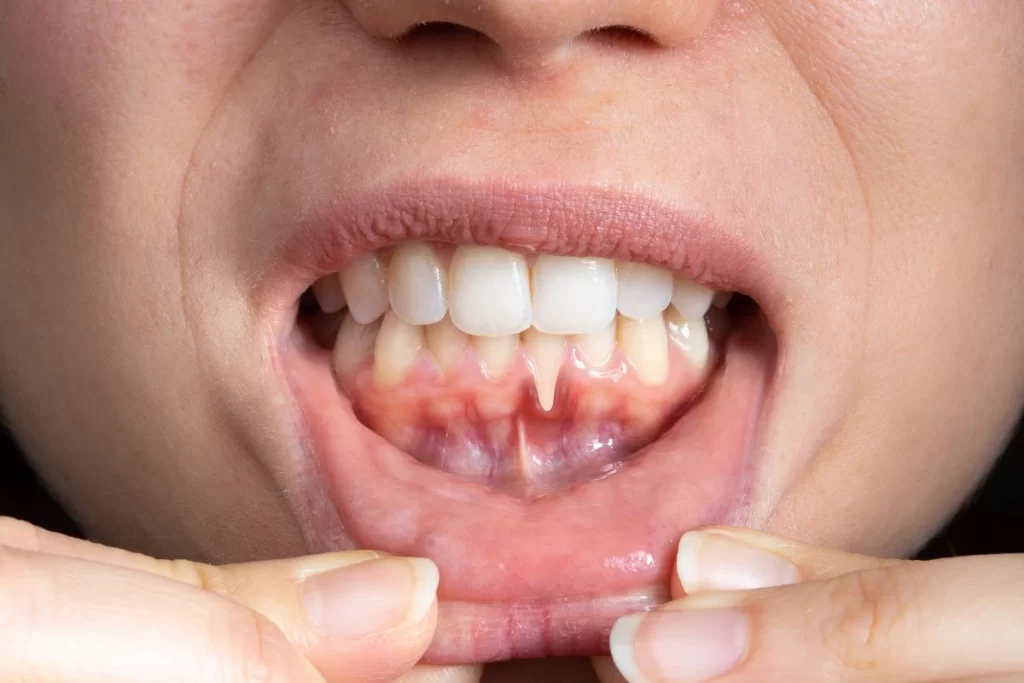
- Bleeding, swollen, or receding gums
- Persistent bad breath
- Loose teeth, as the bone and ligaments supporting them weaken
- Tooth loss in advanced, untreated cases
- Links to broader health issues, since chronic gum inflammation has been associated with conditions like diabetes and cardiovascular disease
Treating gum disease early — ideally at the gingivitis stage — is significantly easier and can often fully reverse the condition, compared to advanced periodontitis, which focuses on management and preventing further damage.
When Should You See a Dentist?
Book an appointment if you notice:
- Gums that bleed during brushing or flossing
- Red, swollen, or tender gums
- Gums that appear to be pulling away from the teeth (recession)
- Persistent bad breath or a bad taste in the mouth
- Loose or shifting teeth
- Pus between the teeth and gums
Because early gum disease is often painless, regular dental check-ups are important for catching it before symptoms become obvious.
How Is Gum Disease Treated?
• Professional scaling and root planing — a deep cleaning that removes plaque and tartar from below the gumline and smooths root surfaces to help gums reattach
• Antibacterial or antibiotic treatment — used in some cases to control infection
• Improved home care routine — dentist-guided brushing and flossing techniques
• Surgical treatment — in advanced periodontitis, procedures like flap surgery or bone/tissue grafts may be needed to repair damage
• Ongoing maintenance visits — more frequent cleanings to keep the condition under control long-term
Prevention Tips
• Brush twice daily and floss once a day, focusing on the gumline
• Use an antibacterial mouthwash if recommended
• Avoid tobacco products, which significantly increase gum disease risk
• Keep up with 6-monthly dental check-ups and cleanings
• Manage underlying health conditions like diabetes, which can affect gum health
Visit Dr. Kashi's Ashwathi Dental Clinic
If your gums bleed, feel tender, or look different than they used to, don't wait for it to progress. Our team can assess your gum health and recommend the right treatment path. Book a consultation at Ashwathi Dental Clinic today.