
Digital Dentistry: 3D Imaging, Digital Scans and CAD/CAM Restorations
Dentistry has quietly changed. Many of the tools once used, such as trays of impression putty and flat X-ray films, now have digital counterparts that improve planning, comfort and precision. Here is what these technologies do, and where they genuinely help.
What is Digital Dentistry?
Digital dentistry means using computer-based tools to diagnose, plan and carry out treatment. It includes imaging, scanning, design software and sometimes in-house milling or 3D printing. The technology supports the dentist's judgement; it does not replace it.
The Main Technologies
Digital X-rays — Digital sensors produce images instantly and generally use a lower dose than traditional film. Images can be enlarged and enhanced for closer inspection.
CBCT: 3D Cone Beam Imaging
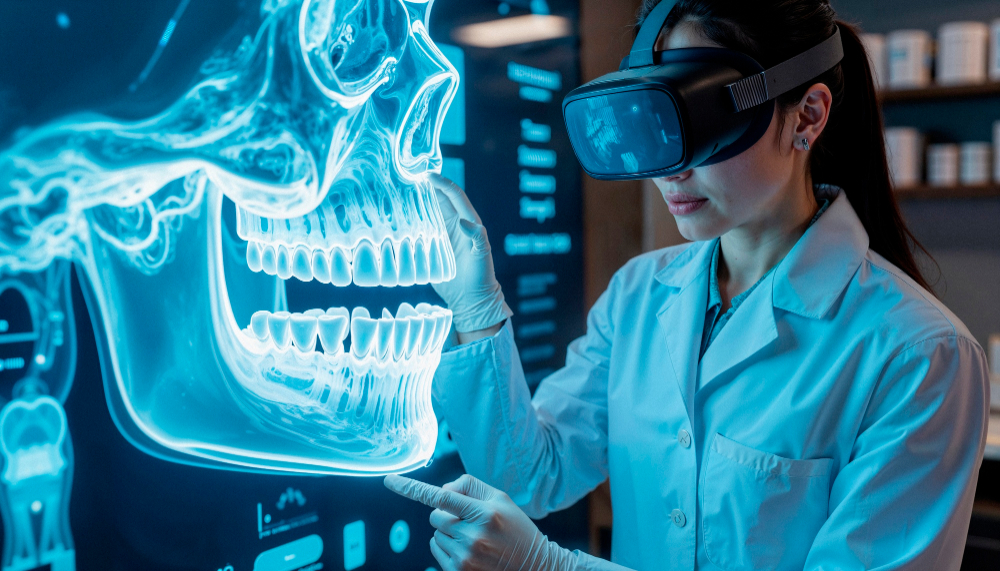
A CBCT scan creates a three-dimensional picture of teeth, bone, sinuses and nerve pathways. It is particularly valuable for:
• Planning dental implants and measuring available bone
• Assessing wisdom teeth close to nerves
• Detecting hidden canals and problems in complex root canal cases
• Evaluating bone defects, cysts or jaw problems
Because 3D scans typically involve a higher radiation dose than a routine small X-ray, they should be used only when they will change or improve decisions, not routinely.
Intraoral Scanners (Digital Impressions)
A small handheld camera captures the shape of your teeth and bite. This replaces impression material, which many people find uncomfortable or gag-inducing. Scans are used for crowns, aligners, night guards and smile design.
CAD/CAM Crowns and Restorations
CAD/CAM stands for computer-aided design and computer-aided manufacturing. The restoration is designed on screen and made by milling from a ceramic or other block, or by a dental laboratory using the digital file. In some clinics with in-house milling, a crown can be made within a single visit; elsewhere, digital files are sent to a lab.
Guided Implant Surgery
Using the 3D scan, the implant position is planned on the computer. A custom surgical guide can then help place the implant at the planned angle and depth, which can improve precision. It is a planning aid, and the surgeon still adapts to what is found during surgery.
Benefits
- Better visualisation, helping you understand your diagnosis and options
- Improved precision in fit and planning
- Often more comfortable than traditional impressions
- Digital records that are easy to store and compare over time
- Potentially fewer remakes and adjustments