
Dental Scaling and Polishing
Brushing and flossing at home go a long way, but they can't remove everything that builds up on your teeth over time. That's where professional scaling and polishing comes in. Here's what the treatment involves and how often you actually need it.
What is Scaling and Polishing?
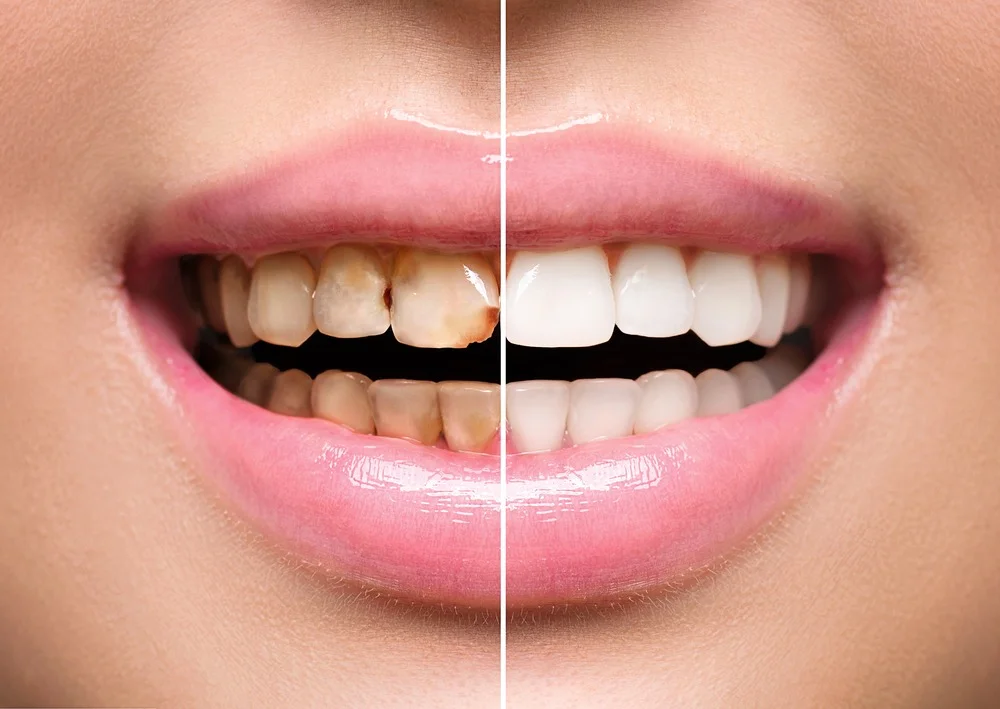
Scaling is the professional removal of plaque and tartar (hardened plaque) from the surface of your teeth and along the gumline, using specialized instruments or an ultrasonic scaler. Polishing follows scaling — it smooths the tooth surface and removes minor surface stains, leaving teeth feeling noticeably cleaner. Together, this is often referred to as a "dental cleaning" and is one of the most common preventive treatments in dentistry.
Why is Professional Cleaning Necessary?
Even with good brushing habits, plaque forms constantly and hardens into tartar within days if not removed — and tartar cannot be brushed away at home. Left untreated, it contributes to:
- Gum disease (gingivitis and periodontitis) — tartar buildup irritates and inflames the gums
- Bad breath that persists despite regular brushing
- Tooth decay, as bacteria in plaque produce acids that erode enamel
- Gum recession and eventual tooth loss in advanced, untreated cases
- Stained or dull-looking teeth from surface buildup
Regular scaling also gives your dentist a chance to catch early signs of cavities, gum disease, or other issues before they become serious.
When Should You Get it Done?
General guidance suggests:
- Every 6 months for most people, as part of a routine dental check-up
- More frequently (every 3–4 months) if you have a history of gum disease, smoke, or have diabetes, which increases susceptibility to gum issues
- If you notice bleeding gums, persistent bad breath, or visible tartar (a yellowish or brownish deposit near the gumline)
- Before certain other dental treatments, since a clean baseline helps other procedures succeed
What Happens During the Procedure
Using manual instruments or an ultrasonic scaler, the dentist or hygienist removes plaque and tartar from above and slightly below the gumline, then polishes the teeth with a gentle abrasive paste. The process is generally quick and painless, though people with sensitive gums may feel mild discomfort.
Aftercare Tips
- Mild gum sensitivity for a day or two is normal — avoid very hot or cold foods initially
- Continue brushing twice daily and flossing to slow new plaque buildup
- Use an antibacterial mouthwash if recommended
- Keep up with 6-monthly visits rather than waiting for symptoms to appear
Visit Dr. Kashi's Ashwathi Dental Clinic
A professional cleaning is one of the simplest ways to protect your long-term oral health. Our team at Dr. Kashi's Ashwathi Dental Clinic offers thorough, comfortable scaling and polishing as part of routine care. Book your next cleaning today.