
Dental Restoration
Chipped, decayed, or damaged teeth don't just affect your smile — they can affect how you eat, speak, and feel about yourself day to day. Dental restoration covers a range of treatments designed to repair damaged teeth and restore full function. Here's what you need to know.
What is Dental Restoration?
Dental restoration refers to any procedure that repairs or replaces damaged tooth structure to restore its shape, function, and appearance. This is a broad category that includes:
- Fillings — for cavities and minor decay
- Crowns — caps that cover a badly damaged or weakened tooth
- Bridges — fixed replacements that fill the gap left by one or more missing teeth
- Inlays and onlays — partial restorations for damage too extensive for a filling but not severe enough for a full crown
- Dentures — removable replacements for multiple or full sets of missing teeth
The right type of restoration depends on how much of the natural tooth remains and how much support the area needs.
Why is Restoration Important?
Ignoring a damaged tooth rarely keeps things stable — the damage tends to spread. Restorative treatment matters because it:
- Prevents further decay or fracture by sealing off exposed or weakened areas of the tooth
- Restores chewing function, so eating isn't uncomfortable or one-sided
- Protects nearby teeth from shifting or taking on uneven bite pressure
- Prevents infection, since exposed dentin or pulp is vulnerable to bacteria
- Improves appearance and confidence, especially with tooth-colored fillings and crowns
- Preserves your natural bite alignment by avoiding the long-term effects of gaps or worn-down teeth
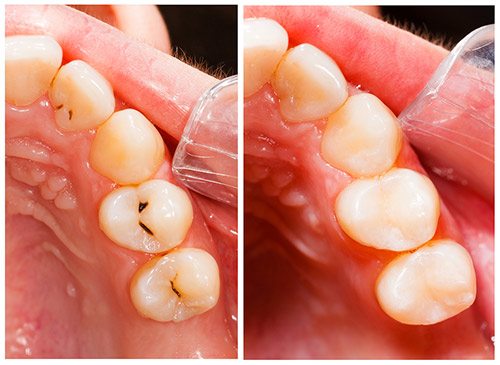
When Should You Consider Restoration?
You should book an evaluation if you notice:
- A visibly chipped, cracked, or broken tooth
- A cavity confirmed during a dental check-up
- Sensitivity to hot, cold, or sweets in a specific tooth
- An old filling or crown that's worn, cracked, or has fallen out
- A missing tooth that hasn't been replaced yet
- Difficulty chewing on one side of your mouth
Even without visible symptoms, X-rays taken during routine visits often catch decay or weakened areas before they become painful — another reason regular check-ups matter.
What Does the Process Involve?
Treatment varies by restoration type:
- Assessment — an exam and X-rays to determine the extent of damage
- Preparation — removing decay or shaping the tooth as needed
- Restoration placement — filling, bonding, or fitting a crown/bridge, often finished in one visit for simple cases, or two visits for custom-made crowns or bridges
- Fit and finish — adjusting the bite and polishing for a natural, comfortable result
Aftercare Tips
- Avoid chewing on the restored tooth with excessive force, especially in the first 24 hours
- Maintain regular brushing and flossing, including around crowns and bridges
- Avoid very hard or sticky foods that can dislodge fillings or crowns
- Attend follow-up visits so your dentist can monitor the restoration's fit and condition
- Report any sharp edges, looseness, or discomfort promptly
Visit Dr. Kashi's Ashwathi Dental Clinic
Whether you need a simple filling or a full restoration plan, our team can assess the damage and recommend the most effective, natural-looking solution. Book a consultation at Dr. Kashi's Ashwathi Dental Clinic to restore your smile and function.