
Dental Crowns
When a tooth is too damaged for a filling but doesn't need to be removed, a dental crown is often the solution that saves it. Here's a closer look at what crowns do and when they're recommended.
What Is a Dental Crown?
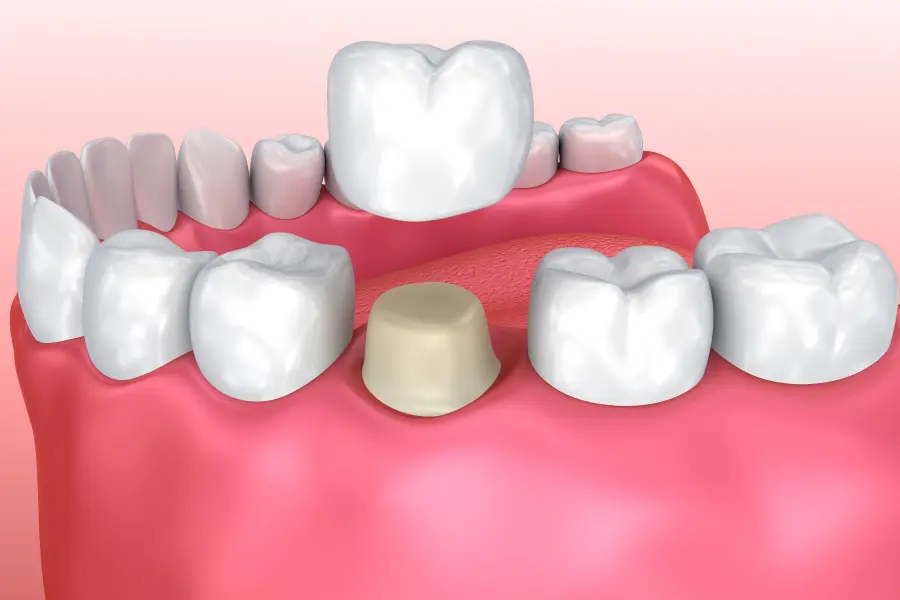
A dental crown is a custom-made cap that covers an entire tooth, restoring its shape, size, strength, and appearance. Crowns can be made from porcelain, ceramic, metal, or a combination of materials, chosen based on the tooth's location and the strength or aesthetics required. Unlike a filling, which repairs a portion of the tooth, a crown fully encases the visible part of the tooth above the gumline.
Why Are Crowns Needed?
Crowns are recommended for several reasons:
- Protecting a weak tooth — from decay, cracks, or after a large filling that has left the structure fragile
- Restoring a broken or worn-down tooth to normal shape and function.
- Covering a tooth after root canal treatment, since these teeth can become brittle
- Supporting a bridge , anchoring it in place
- Covering a dental implant, forming the visible replacement tooth.
- Improving appearance, for severely discolored or misshapen teeth that don't respond well to whitening or veneers.
Without a crown in these situations, the tooth remains vulnerable to further cracking, decay, or complete breakdown.
When Should You Consider a Crown?
- You have a large cavity that's too extensive for a standard filling
- A tooth is cracked or fractured but still salvageable
- You've had a root canal and need to protect the treated tooth
- An old filling has failed or the tooth around it has weakened
- You're getting a dental implant and need the final restoration
- A tooth is significantly discolored, oddly shaped, or worn down
What Does the Procedure Involve?
- Preparation — the tooth is reshaped to make room for the crown, and any decay is removed
- Impression or digital scan — used to fabricate a custom-fitted crown
- Temporary crown — placed while the permanent one is made (unless using same-day digital technology)
- Final placement — the permanent crown is checked for fit, bite, and color match, then cemented in place
Aftercare Tips
- Avoid chewing very hard or sticky foods, especially on a new crown
- Maintain regular brushing and flossing, paying attention to the gumline around the crown
- Wear a nightguard if you grind your teeth, to protect the crown from excess wear
- Attend follow-up visits so your dentist can check the fit and surrounding gum health
- Report any looseness, sensitivity, or discomfort promptly
Visit Dr. Kashi's Ashwathi Dental Clinic
If you have a damaged, weakened, or heavily filled tooth, our team can assess whether a crown is the right way to protect it. Book a consultation at Ashwathi Dental Clinic to explore your options.