
Dental Bonding in Trivandrum | Cosmetic Tooth Bonding Treatment
Not every cosmetic dental fix requires veneers or crowns. For small chips, gaps, or discoloration, dental bonding offers a quick, budget-friendly solution done in a single visit. Here's how it works
What Is Dental Bonding?
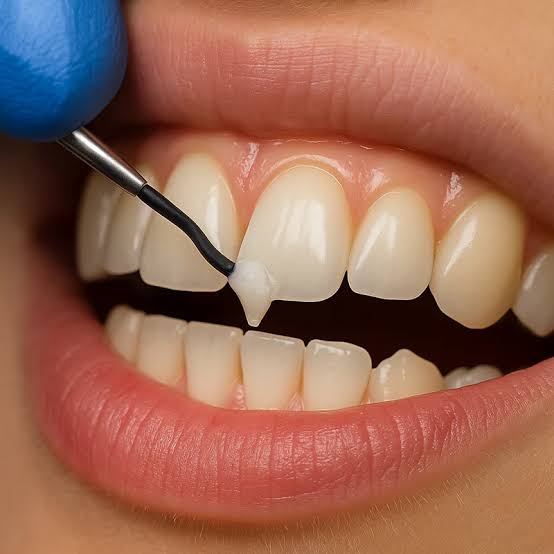
Dental bonding is a cosmetic procedure where a tooth-colored composite resin is applied directly to a tooth, shaped, and hardened with a curing light to blend naturally with the surrounding teeth. It's called "bonding" because the resin bonds directly to the tooth's surface, unlike veneers or crowns, which are custom-fabricated separately and then attached.
Why Do People Choose Bonding?
Bonding is a popular choice for minor cosmetic and functional fixes because it offers:
- A quick, single-visit solution — usually completed in 30 minutes to an hour per tooth, with no lab work required
- Minimal tooth alteration — little to no enamel needs to be removed, unlike crowns or some veneers
- Affordability — generally one of the most cost-effective cosmetic dental treatments
- Versatility — used for chips, cracks, gaps, discoloration, and even to reshape a tooth or protect an exposed root
When Should You Consider Bonding?
Bonding is often recommended for:
- Small chips or cracks in a tooth
- Minor gaps between teeth
- Discoloration that doesn't respond to whitening, especially on a single tooth
- Slightly misshapen or unevenly sized teeth
- Protecting a tooth root that's become exposed due to gum recession
- A temporary or budget-conscious alternative to veneers or crowns
Bonding is best suited to minor cosmetic concerns — larger structural damage or teeth under heavy bite pressure typically hold up better with a crown or veneer, since bonding material isn't as durable as porcelain.
What Does the Procedure Involve?
• Shade matching — the dentist selects a resin color that matches your natural teeth
• Surface preparation — the tooth surface is lightly roughened and a bonding agent applied to help the resin adhere
• Application and shaping — the composite resin is applied, molded, and shaped to the desired form
• Curing — a special light hardens the resin
• Polishing — the bonded area is trimmed and polished to match the natural sheen of surrounding teeth
Because there's no lab fabrication involved, bonding is typically completed in a single appointment.
Aftercare Tips
• Avoid biting hard objects (pens, ice, fingernails) that could chip the bonded area
• Limit staining foods and drinks for the first 48 hours, as new bonding can be more porous initially
• Maintain regular brushing and flossing
• Avoid excessive force from teeth grinding, or use a nightguard if needed
• Expect bonding to last several years with good care, though it may need touch-ups or replacement over time
Visit Dr. Kashi's Ashwathi Dental Clinic
If you have a minor chip, gap, or discoloration you'd like fixed quickly and affordably, our team can assess whether bonding is the right solution. Book a consultation at Ashwathi Dental Clinic today.