
Crown Lengthening Surgery: Reshaping Gum and Bone for a Healthier, Better-Looking Smile
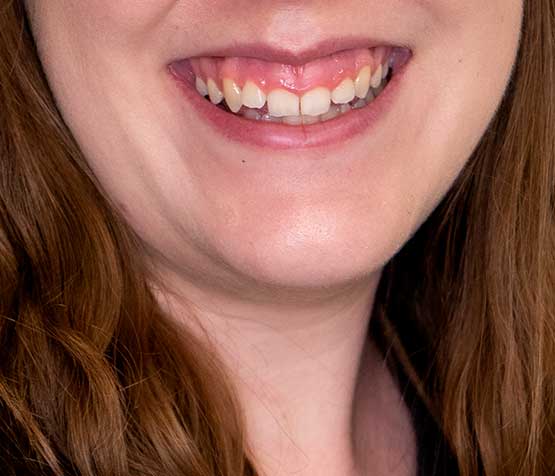
Sometimes a tooth cannot be restored well because there is simply not enough healthy tooth showing above the gum. The tooth may have broken at the gum line, decayed below it, or the gums may cover too much of the teeth, causing a gummy smile.
Crown lengthening is a precise gum and bone procedure that exposes more of the tooth. It lets crowns and fillings fit properly, helps keep the gums healthy and can also improve the smile line.
What is crown lengthening?
Despite the name, the tooth itself is not made longer. The gum, and sometimes a small amount of the underlying bone, is reshaped so that more of the existing tooth is exposed. This gives the dentist a stable, clean margin to build a restoration on.
When is it recommended?
- A tooth broken or decayed at or below the gum line that needs a crown
- Too little tooth structure to hold a crown, filling or bridge securely
- A gummy smile caused by excess gum tissue or short-looking teeth
- Uneven gum levels that spoil the appearance of front teeth
- Previous crowns that sit too close to the bone and keep irritating the gum
There is a biological reason for this rule: the gum and bone need space to attach to the tooth. If a restoration invades that space, the gum becomes inflamed and tends to recede. Crown lengthening protects that space.
Planning the procedure
Planning includes a clinical examination, probing of the gum, X-rays, and often a smile analysis with photographs. For cosmetic cases, the planned gum line can be previewed using digital design, a concept we discuss in digital smile design. If gum disease is present, it is treated first so that tissue is healthy before surgery.
How the surgery is performed
- The area is numbed with local anaesthesia.
- The gum is carefully reshaped, or lifted as a small flap, to expose the tooth.
- If required, a small amount of bone is smoothed to restore the proper distance between bone and the planned restoration.
- The gum is repositioned and stitched.
- A protective dressing may be placed.
A laser can be used for soft tissue reshaping in suitable cases, with less bleeding and a more comfortable healing period. See our overview of laser dentistry.
Healing and when the crown is placed
The gum needs time to settle into its new position before the final crown is made, otherwise the margin could end up exposed later. Healing is commonly given a number of weeks, depending on the area and on whether the front teeth are involved, and a temporary crown can be used in between.
Expect some soreness and mild swelling for a few days. A soft diet, prescribed medication and careful cleaning with a soft brush help. Stitches, if not dissolving, are removed after about a week.