
How long does a tooth gem stay on for
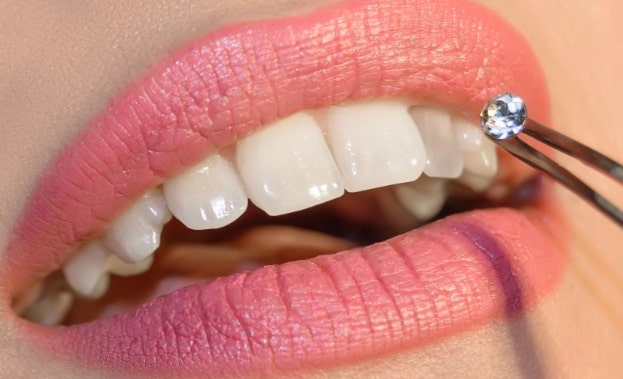
The duration for which a tooth gem stays on can vary depending on several factors, including the type of adhesive used, the quality of the tooth gem, and the individual's oral hygiene habits. Generally, tooth gems can last anywhere from a few months to several years. Here are some factors that can affect the longevity of a tooth gem:
Type of Adhesive:
The adhesive used to attach the tooth gem to the tooth plays a significant role in its longevity. Dental-grade adhesives specifically designed for attaching dental accessories tend to provide better adhesion and durability compared to over-the-counter adhesives.
Quality of the Tooth Gem:
Higher-quality tooth gems made of durable materials are likely to last longer than cheaper, lower-quality alternatives. Gems made of materials like crystals, gold, or diamonds tend to be more durable and resistant to wear and tear.
Placement on the Tooth:
The location of the tooth gem on the tooth can affect its longevity. Gems placed on surfaces that come into direct contact with food or beverages may be more prone to wear and damage over time.
Oral Hygiene Habits:
Maintaining good oral hygiene practices, such as regular brushing, flossing, and dental check-ups, can help extend the lifespan of a tooth gem. Proper oral hygiene helps prevent plaque buildup around the gem, which can weaken the adhesive bond and increase the risk of the gem becoming dislodged.
Diet and Lifestyle Habits:
foods and beverages, smoking, or chewing on hard objects, can increase t Certain dietary and lifestyle habits, such as consuming acidic or staininghe risk of the tooth gem coming loose or becoming damaged.
Professional Application:
Having the tooth gem applied by a qualified dental professional can help ensure proper placement and adhesion, which can contribute to its longevity.
Overall, with proper care and maintenance, a tooth gem can last for several months to a few years before needing to be replaced or removed. However, it's essential to monitor the condition of the tooth gem regularly and seek professional assistance if it becomes loose, damaged, or dislodged.