
What is the best Treatment to Whiten Teeth
The best treatment for whitening teeth depends on various factors, including the individual's preferences, budget, and the cause of tooth discoloration. Here are some common teeth whitening treatments:
Professional In-Office Teeth Whitening:
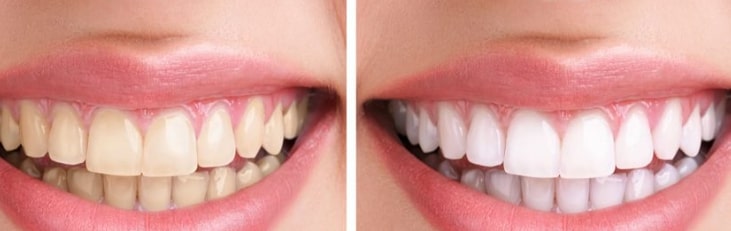
This involves a dental professional applying a high-concentration bleaching agent to the teeth and activating it with a special light or laser. In-office whitening treatments typically provide the fastest and most dramatic results, often lightening teeth by several shades in a single session.
Take-Home Whitening Kits:
These kits are provided by dentists and contain custom-fitted trays and a bleaching gel with a lower concentration of hydrogen peroxide than in-office treatments. Patients wear the trays filled with the whitening gel for a specified amount of time each day over a period of several days to weeks, depending on the desired level of whitening.
Over-the-Counter Whitening Products:
There are numerous over-the-counter whitening products available, including whitening toothpaste, strips, gels, and rinses. While these products are generally less expensive and convenient, they typically contain lower concentrations of whitening agents and may take longer to achieve noticeable results
Porcelain Veneers:
For individuals with severe or resistant staining that does not respond well to traditional whitening methods, porcelain veneers can provide a long-lasting solution. Veneers are thin shells of porcelain that are bonded to the front surfaces of teeth to improve their appearance, including color, shape, and size.
Lifestyle Changes:
Making lifestyle changes such as avoiding foods and beverages that stain teeth (e.g., coffee, tea, red wine) and quitting smoking can help prevent further discoloration and maintain the results of whitening treatments.
It's essential to consult with a dentist before starting any whitening treatment to determine the cause of tooth discoloration and ensure that the chosen treatment is safe and effective for your specific needs. Additionally, maintaining good oral hygiene habits, such as regular brushing, flossing, and dental check-ups, can help keep teeth looking bright and healthy.