
What is Fluoride Treatment
Fluoride treatment is a preventive dental procedure aimed at strengthening the enamel of teeth and preventing tooth decay. Fluoride is a naturally occurring mineral found in water sources, certain foods, and dental products. When applied to the teeth in the form of a fluoride treatment, it helps to remineralize the enamel, making it more resistant to acid attacks from bacteria and acids in the mouth. Here's an overview of fluoride treatment:
Application:
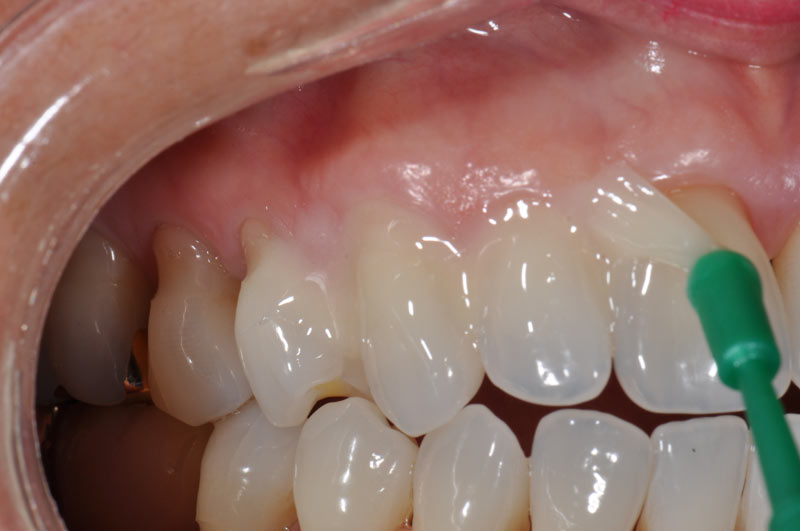
Fluoride treatment is typically applied to the teeth in the form of a fluoride solution, gel, foam, or varnish. The dentist or dental hygienist may use a brush, swab, tray, or mouth rinse to apply the fluoride directly to the teeth.
Duration:
The fluoride treatment is usually left on the teeth for a few minutes to allow the fluoride to penetrate the enamel and remineralize the tooth structure. After the recommended time, the excess fluoride is removed by rinsing the mouth or by using suction.
Professional Application:
Fluoride treatment is often performed during routine dental check-ups and cleanings, especially for children and individuals at higher risk of tooth decay. It can be administered by a dentist, dental hygienist, or dental assistant in the dental office.
Including:
Strengthening the enamel of teeth, making them more resistant to acid attacks and decay.
Reversing early signs of tooth decay by remineralizing areas of weakened enamel.
Reducing the risk of cavities and tooth decay, particularly in children and individuals with a higher risk of dental caries.
Providing additional protection for teeth in areas with limited access to fluoride, such as communities with non-fluoridated water.
Safety:
When administered by dental professionals according to recommended guidelines, fluoride treatment is considered safe and effective for preventing tooth decay. However, excessive fluoride intake, particularly during early childhood, can lead to a condition called dental fluorosis, which can cause discoloration or mottling of the teeth. Therefore, it's essential to use fluoride products appropriately and under the guidance of a dentist or healthcare provider.
Overall, fluoride treatment is a valuable preventive measure for maintaining oral health and reducing the risk of cavities and tooth decay. It is often recommended as part of a comprehensive oral hygiene routine, along with regular brushing, flossing, and dental check-ups.